Independent home, commercial and insurance inspections across Regina and southern Saskatchewan — carried out by an Architectural Building Technologist and InterNACHI® Certified Professional Inspector, documented in plain language and graded honestly.
From a first-home walkthrough to a construction deficiency investigation heading for court, the standard of documentation is the same.

Full visual inspection of the home and its systems for buyers, sellers and owners. Every finding graded, photographed and explained.
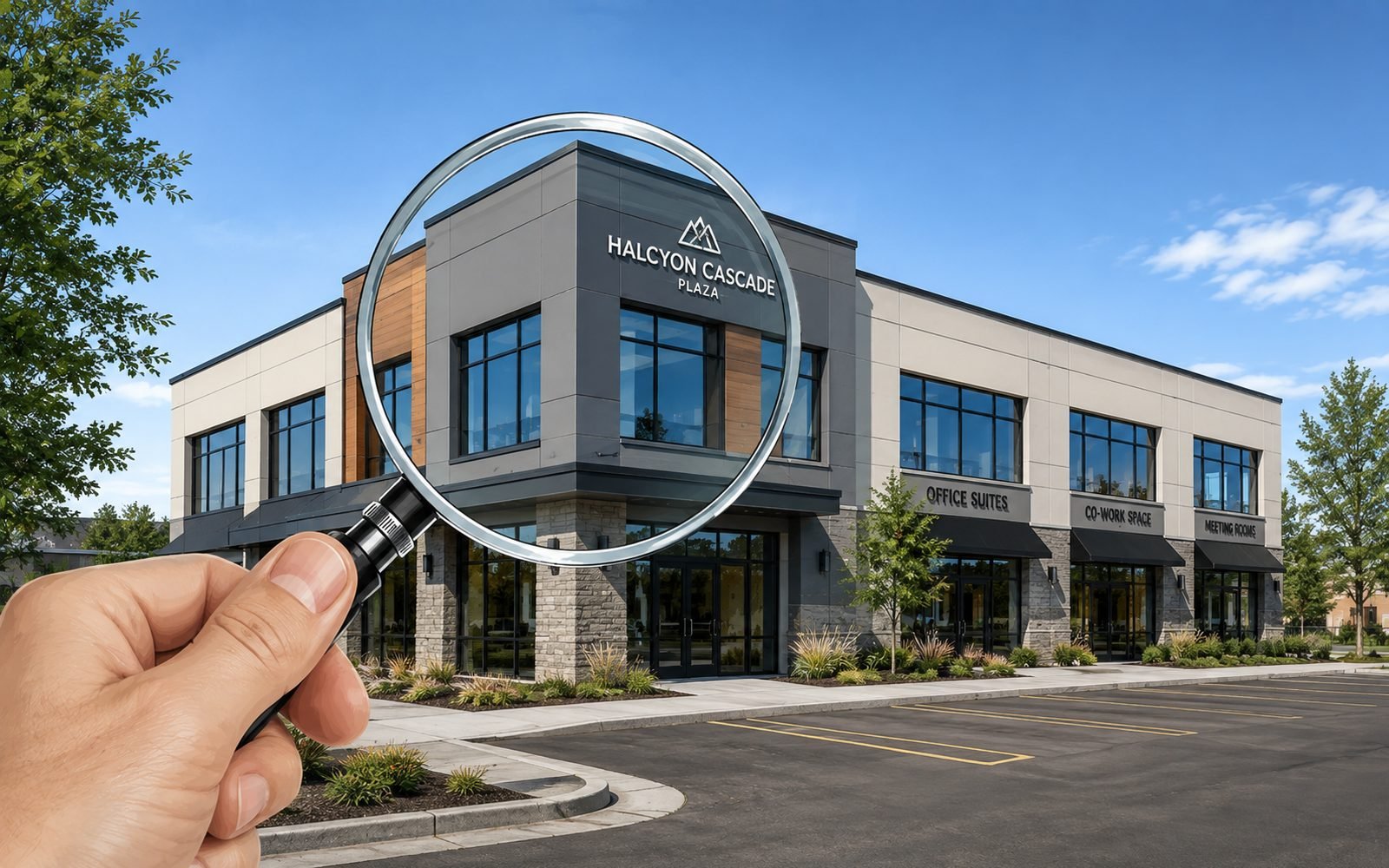
Building condition assessments for purchasers, landlords and tenants, scoped to the building and to what you actually need to decide.
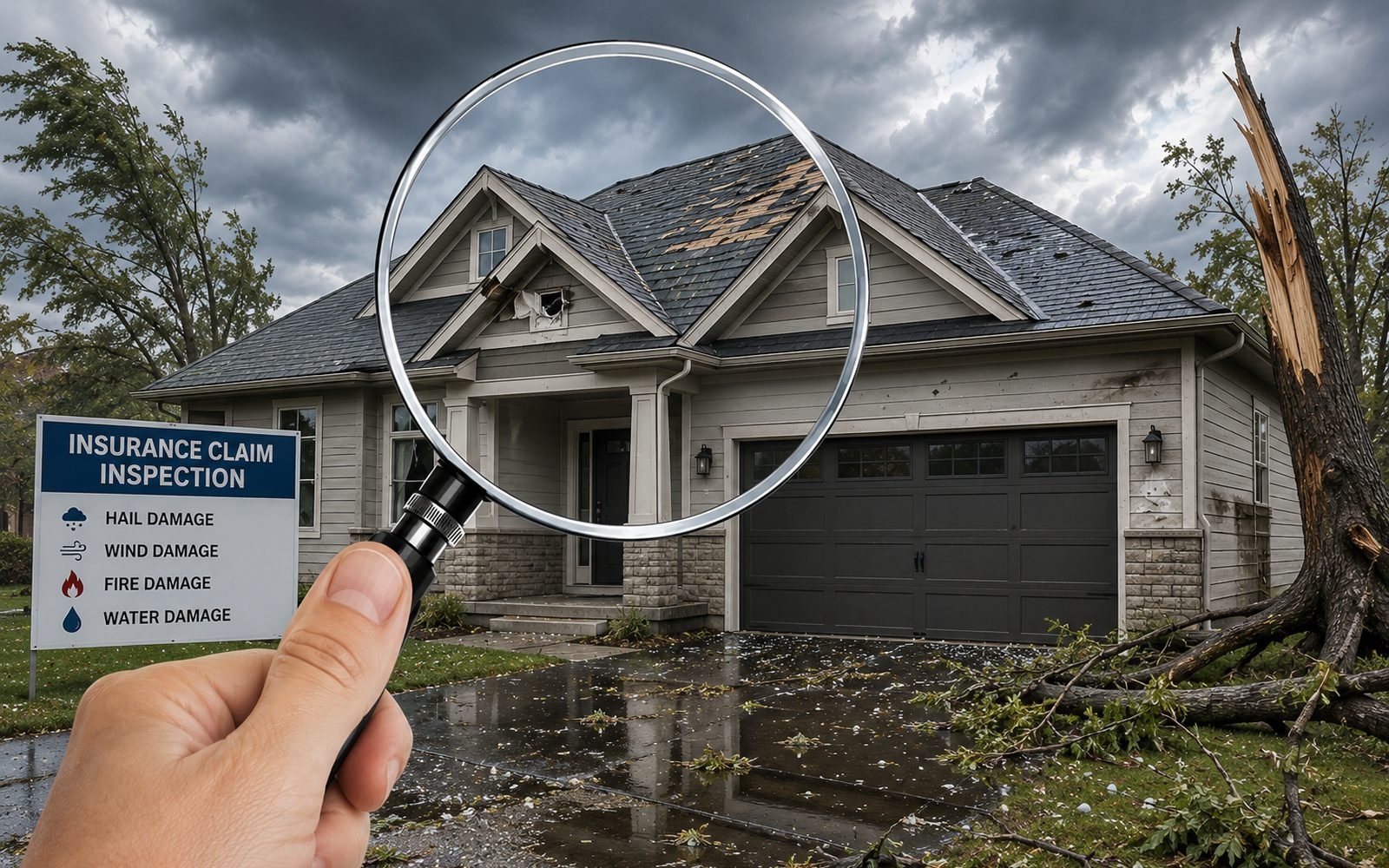
Hail, wind, fire, water and storm damage documented to the standard an adjuster expects — with evidence, not opinions.
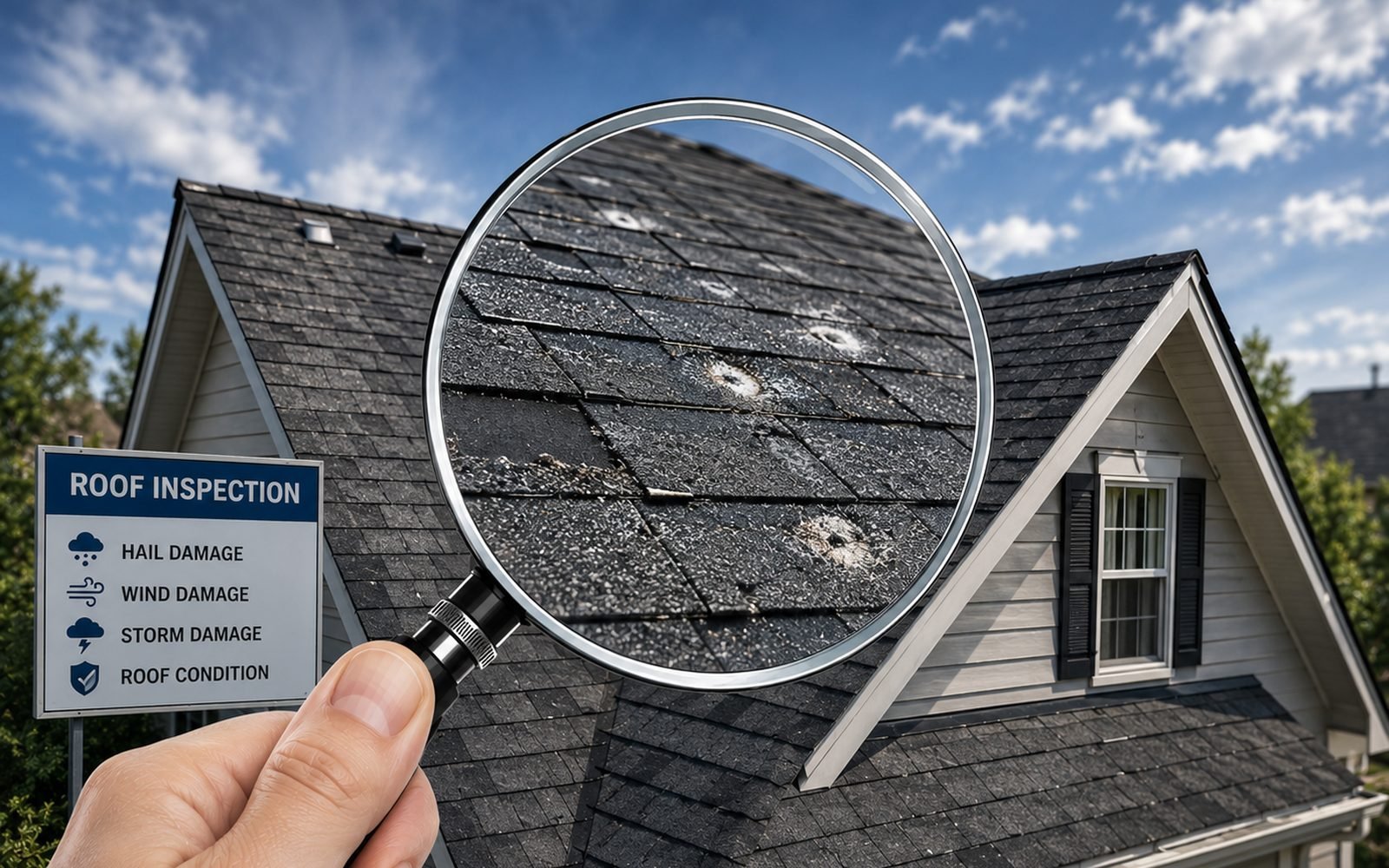
Covering, flashing, penetrations, ventilation and drainage assessed for condition, workmanship and storm damage.
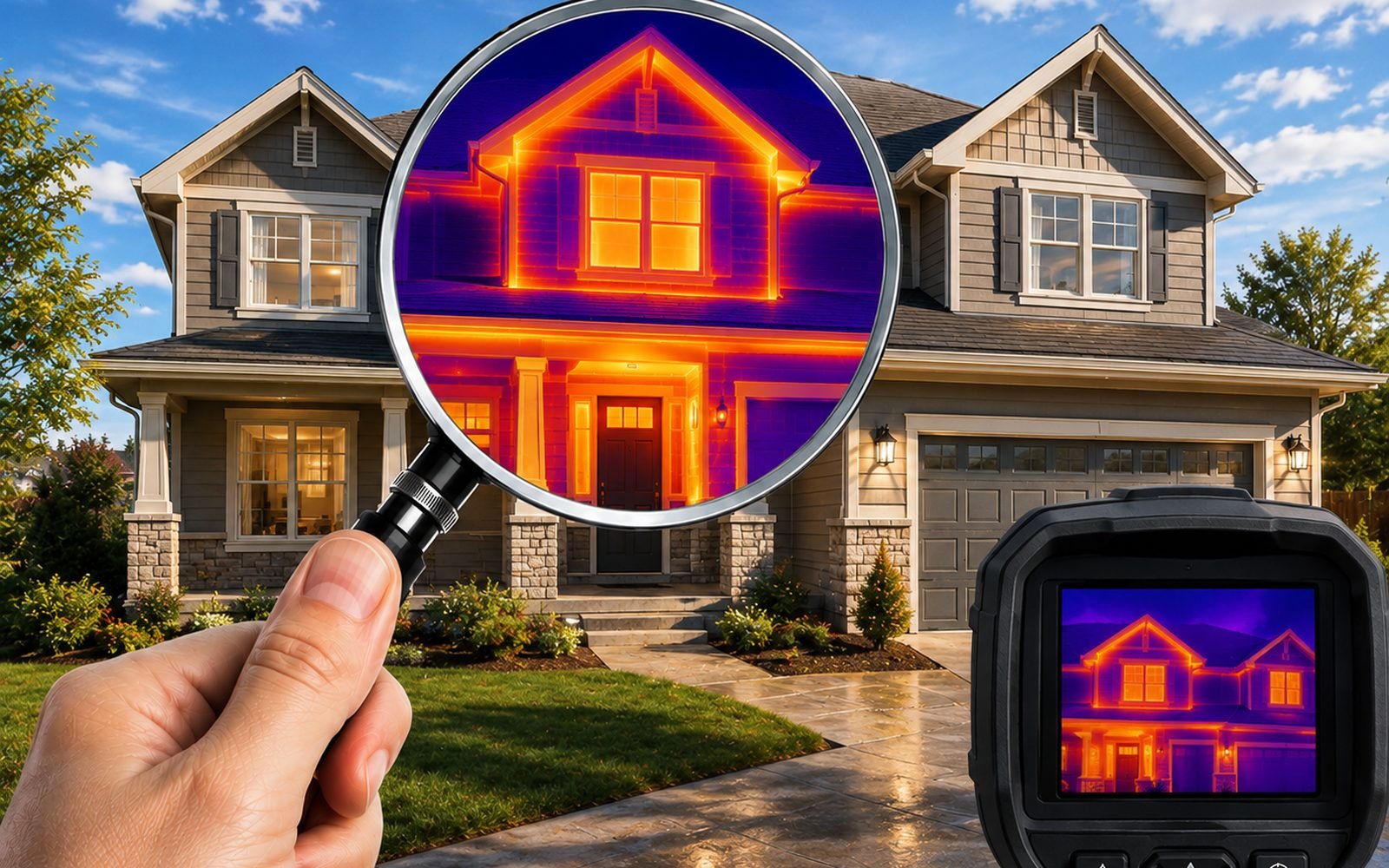
Infrared scanning to locate missing insulation, air leakage, moisture intrusion and overheating electrical components.
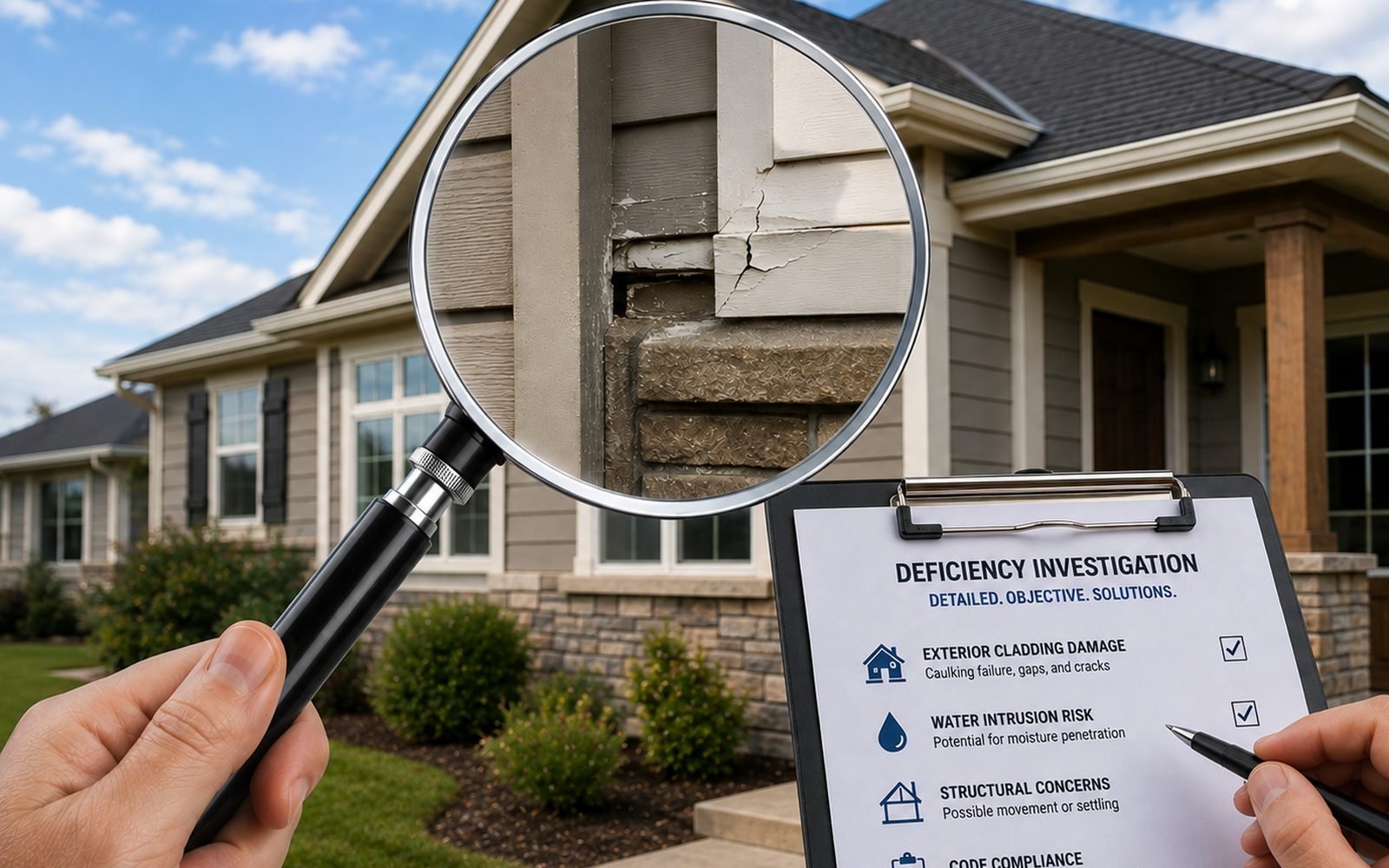
New-build and renovation workmanship reviewed against the applicable standard, with expert witness and litigation support available.
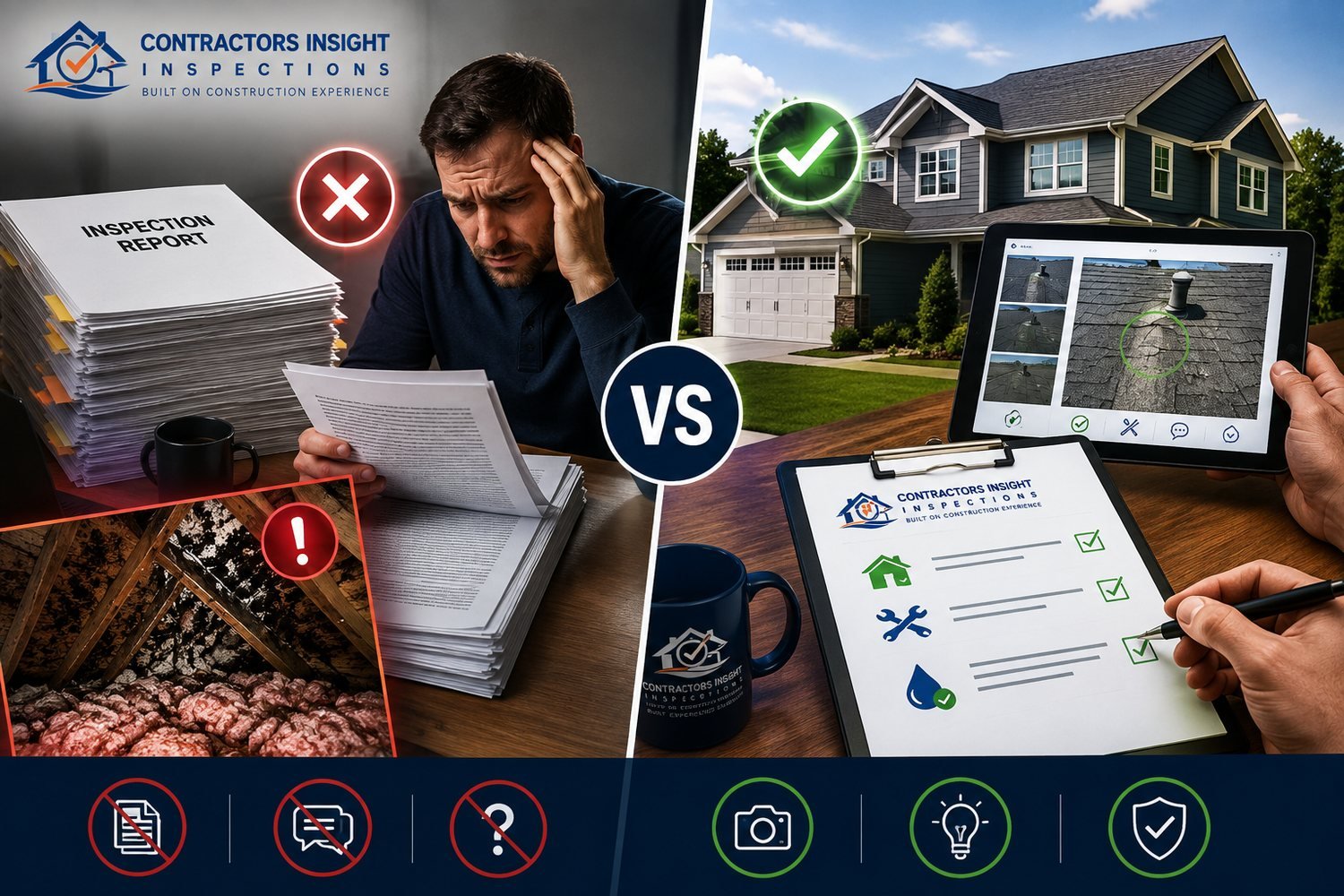
An inspection report can fail you in two ways. It can hide a serious problem inside pages of generic filler, or it can describe a small one in language alarming enough to cost you the purchase. Either way, you finish reading it no better informed than when you started.
We document what was actually observed, explain why it matters in language a homeowner can follow, separate maintenance from significant deficiencies, and reference the applicable standard where it genuinely applies. Nothing is exaggerated and nothing is minimised.
How We WorkKnowing that something is wrong is one thing. Knowing how it was built, why it failed and what the repair actually involves is another.
Our background is commercial, residential and agricultural construction — so findings come with a realistic view of the fix and its consequences.
As an Architectural Building Technologist, the building is read as an assembly — envelope, structure, mechanical — not just a list of visible symptoms.
InterNACHI® Certified Professional Inspector. The inspection follows a published Standards of Practice you can read and hold us to.
InterNACHI® Certified Expert Witness™ — findings documented to the standard a claim or a courtroom demands, and able to withstand cross-examination.
One tells you the building was understood. The other tells you the inspection was held to a published standard. Most inspectors carry one or the other.
What it is: a formal qualification in building design and construction technology — structural assemblies, building envelope and building science, mechanical and electrical systems, construction documentation and building code.
What it means for you: a building gets read as a designed assembly rather than a list of visible symptoms. Stained drywall is a symptom. Knowing whether it came from a flashing detail, a vapour barrier discontinuity, a ventilation failure or a plumbing leak is the part that determines what the repair costs you.
It also means the report speaks the same language as the drawings, the code and the contractor who will eventually do the work.
What it is: the CPI® credential from the International Association of Certified Home Inspectors — the largest inspection association in the world. It requires passing the InterNACHI® Online Inspector Examination, completing the Code of Ethics and Standards of Practice courses, and submitting mock inspection reports for review.
What it means for you: the inspection follows a published Standards of Practice rather than whatever the inspector felt like looking at. You can read that standard yourself and hold the report to it.
It is not a one-time certificate. Maintaining it requires 24 hours of continuing education and re-passing the examination at 80% or better every three years.
Together they cover the two failure modes of a bad inspection: not recognising what you are looking at, and not looking at everything you were supposed to.
Every issue in your report follows the same three-part structure, so you always know what was seen, why it matters and what to do about it.
Observed lifted and creased asphalt shingles across approximately six square metres of the south slope, with exposed fastener heads at the third course. Granule loss was visible in the same area.
Lifted shingles allow wind-driven water past the covering and onto the sheathing. Left in place through a winter, this typically leads to sheathing rot and staining on the ceiling below. The pattern is consistent with wind damage rather than age.
Recommend evaluation and repair by a qualified roofing contractor before the next precipitation event. If the property carries insurance covering wind damage, this finding should be documented in a claim.
Every finding is graded on the five levels above, so maintenance items are never confused with the things that actually need your money and attention.
Based in Saskatchewan and working across the Regina region and beyond. If your property sits outside this list, call — we travel regularly.
Serving Saskatchewan and surrounding area.

ICF sales, supplies, solar installations, and architectural and engineering design.
Visit Site
Development, commercial leasing, co-work space and property ownership.
Visit SiteTell us the property, the timeline and what you need to know. We will confirm scope and availability the same day during office hours.